
A Liquid Packing Machine plays a major role in modern industries where liquids need to be filled, sealed, and packaged efficiently. The Liquid Packing Machine is widely used in food, beverage, chemical, pharmaceutical, and cosmetic sectors because it ensures accuracy, hygiene, and speed.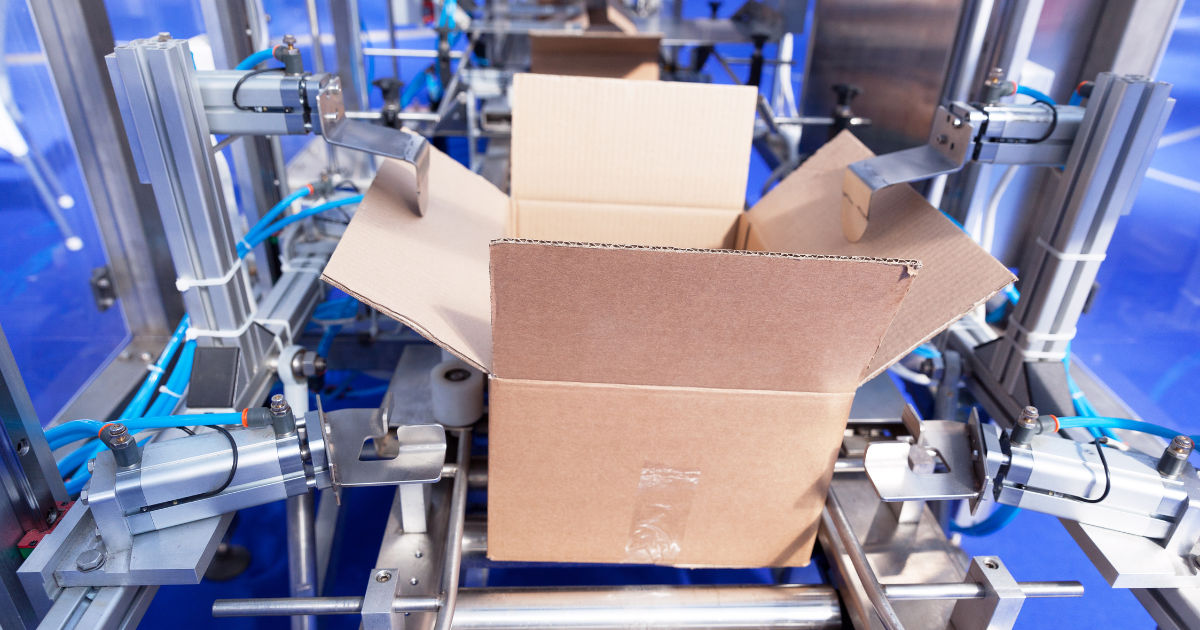
In today’s competitive production environment, the Liquid Packing Machine has become essential for businesses aiming to reduce manual labor and improve consistency.
Understanding how a Liquid Packing Machine works helps operators, engineers, and students learn the basics of automated packaging systems. The Liquid Packing Machine is designed to handle different liquid viscosities, from thin water-like fluids to thick syrups and oils.
This guide will explain the working principle, components, types, advantages, applications, and maintenance of a Liquid Packing Machine in simple terms suitable for a 12th-grade audience.By the end of this article, you will clearly understand how a Liquid Packing Machine operates in real industrial environments and why it is so important in modern production lines.
What is a Liquid Packing Machine?
A Liquid Packing Machine is an automated system used to fill liquid products into containers such as bottles, pouches, jars, or sachets. The main purpose of a Liquid Packing Machine is to ensure precise filling without spillage or waste.
The Liquid Packing Machine works by controlling flow rates and measuring exact quantities before sealing the package. This makes the Liquid Packing Machine highly reliable in industries where accuracy is critical, such as pharmaceuticals and food production.
Another important feature of a Liquid Packing Machine is its ability to maintain hygiene. Since liquids can easily get contaminated, the Liquid Packing Machine is designed with stainless steel parts and sealed systems.
Overall, the Liquid Packing Machine improves production speed, reduces manual errors, and ensures uniform packaging quality.
Main Components of a Liquid Packing Machine
A Liquid Packing Machine consists of several important components that work together to ensure smooth operation.
1. Liquid Storage Tank
The storage tank holds the liquid before it is filled. In a Liquid Packing Machine, this tank is often made of stainless steel to avoid contamination.
2. Filling Nozzles
These nozzles control the flow of liquid into containers. A Liquid Packing Machine uses precision nozzles to avoid overfilling or spillage.
3. Pump System
The pump is responsible for moving liquid from the tank to the filling section. The Liquid Packing Machine may use piston pumps, gear pumps, or peristaltic pumps depending on the liquid type.
4. Control Panel
The control panel allows operators to adjust settings like speed, volume, and timing. In a Liquid Packing Machine, digital controls improve accuracy and efficiency.
5. Sealing Unit
After filling, the sealing unit closes the container. A Liquid Packing Machine ensures airtight sealing to preserve product quality.
6. Conveyor Belt
The conveyor moves containers through different stages. A Liquid Packing Machine uses automated conveyors for continuous production.
Working Principle of a Liquid Packing Machine
The working principle of a Liquid Packing Machine is based on controlled fluid measurement and automated filling cycles.
First, containers are placed on the conveyor system. The Liquid Packing Machine then moves them to the filling station. At this stage, sensors detect the container position.
Next, the pump system activates, and the Liquid Packing Machine releases a pre-measured amount of liquid through the nozzles. This ensures every container receives the same volume.
After filling, the Liquid Packing Machine transfers the containers to the sealing unit. The sealing process prevents leakage and contamination.
Finally, the finished products are moved to the packaging or labeling section. Throughout this process, the Liquid Packing Machine ensures speed, precision, and consistency.
Types of Liquid Packing Machines
There are different types of Liquid Packing Machine systems used depending on industrial needs.
1. Automatic Liquid Packing Machine
This type operates fully automatically with minimal human involvement. A Liquid Packing Machine of this type is ideal for large-scale production.
2. Semi-Automatic Liquid Packing Machine
In this system, some steps require manual operation. The Liquid Packing Machine still provides accurate filling but at a lower production speed.
3. Volumetric Liquid Packing Machine
This Liquid Packing Machine fills liquids based on volume measurements. It is commonly used for water, milk, and juices.
4. Gravity-Based Liquid Packing Machine
This type uses gravity to fill containers. A Liquid Packing Machine of this type is suitable for thin liquids.
5. Vacuum Liquid Packing Machine
This system removes air before sealing. A Liquid Packing Machine like this is often used in pharmaceutical and chemical industries.
Step-by-Step Operation of a Liquid Packing Machine
The operation of a Liquid Packing Machine follows a structured process:
Step 1: Container Loading
Empty containers are placed on the conveyor of the Liquid Packing Machine.
Step 2: Position Detection
Sensors in the Liquid Packing Machine detect container positions for accurate filling.
Step 3: Filling Process
The pump releases liquid through nozzles. The Liquid Packing Machine ensures precise measurement.
Step 4: Level Adjustment
Some advanced systems in a Liquid Packing Machine adjust liquid levels automatically.
Step 5: Sealing
Containers are sealed using heat or pressure by the Liquid Packing Machine.
Step 6: Output Collection
Finished products exit the system for labeling and distribution.
This step-by-step process shows how efficiently a Liquid Packing Machine works in industrial environments.
Applications of Liquid Packing Machine
A Liquid Packing Machine is used in many industries due to its flexibility and accuracy.
Food Industry
Used for packaging milk, juice, sauces, and edible oils. The Liquid Packing Machine ensures hygiene and consistency.
Pharmaceutical Industry
Used for syrups, medicines, and chemical solutions. A Liquid Packing Machine maintains strict safety standards.
Cosmetic Industry
Used for shampoos, lotions, and creams. The Liquid Packing Machine ensures attractive and leak-proof packaging.
Chemical Industry
Used for cleaning liquids and industrial chemicals. The Liquid Packing Machine handles corrosive substances safely.
Advantages of Liquid Packing Machine
The Liquid Packing Machine offers several important benefits:
High Efficiency
A Liquid Packing Machine increases production speed significantly.
Accuracy
It ensures precise filling, reducing waste.
Hygiene
The Liquid Packing Machine prevents contamination through sealed systems.
Cost-Effective
Reduces labor costs and material wastage.
Versatility
A Liquid Packing Machine can handle different types of liquids.
Maintenance and Safety of Liquid Packing Machine
Proper maintenance ensures long-term performance of a Liquid Packing Machine.
Regular Cleaning
Cleaning prevents clogging and contamination in the Liquid Packing Machine.
Lubrication
Moving parts must be lubricated for smooth operation.
Inspection
Regular checks help identify issues early in a Liquid Packing Machine.
Safety Measures
Operators should follow safety guidelines when using a Liquid Packing Machine to avoid accidents.
Challenges and Troubleshooting
Even a high-quality Liquid Packing Machine can face issues:
Leakage Problems
Improper sealing may cause leakage in the Liquid Packing Machine.
Inaccurate Filling
Sensor or pump issues may affect accuracy.
Mechanical Wear
Continuous use may damage parts of the Liquid Packing Machine.
Blockages
Thick liquids may clog nozzles.
Proper maintenance helps reduce these problems in a Liquid Packing Machine.
Future Trends in Liquid Packing Machine Technology
Modern advancements are improving the performance of the Liquid Packing Machine.
Automation and AI
Future Liquid Packing Machine systems will use AI for better control.
Eco-Friendly Designs
Energy-efficient Liquid Packing Machine models are being developed.
Smart Sensors
Advanced sensors improve accuracy in the Liquid Packing Machine.
Faster Production Lines
New technology will make the Liquid Packing Machine even faster and more reliable.
Conclusion
A Liquid Packing Machine is an essential part of modern industrial production. It improves speed, accuracy, and hygiene in packaging operations. From food and beverages to pharmaceuticals and chemicals, the Liquid Packing Machine plays a crucial role in ensuring product quality and efficiency.
By understanding its components, working principle, and applications, we can see how important the Liquid Packing Machine is in today’s manufacturing world. Its automation reduces human effort and increases productivity significantly. As technology continues to advance, the Liquid Packing Machine will become even more intelligent, efficient, and environmentally friendly.
In conclusion, the Liquid Packing Machine is not just a piece of equipment but a vital system that supports global production industries and ensures safe, accurate, and reliable liquid packaging.