A Window price estimater is a helpful tool used by homeowners, builders, and designers to predict how much a window project may cost before actually buying or installing anything.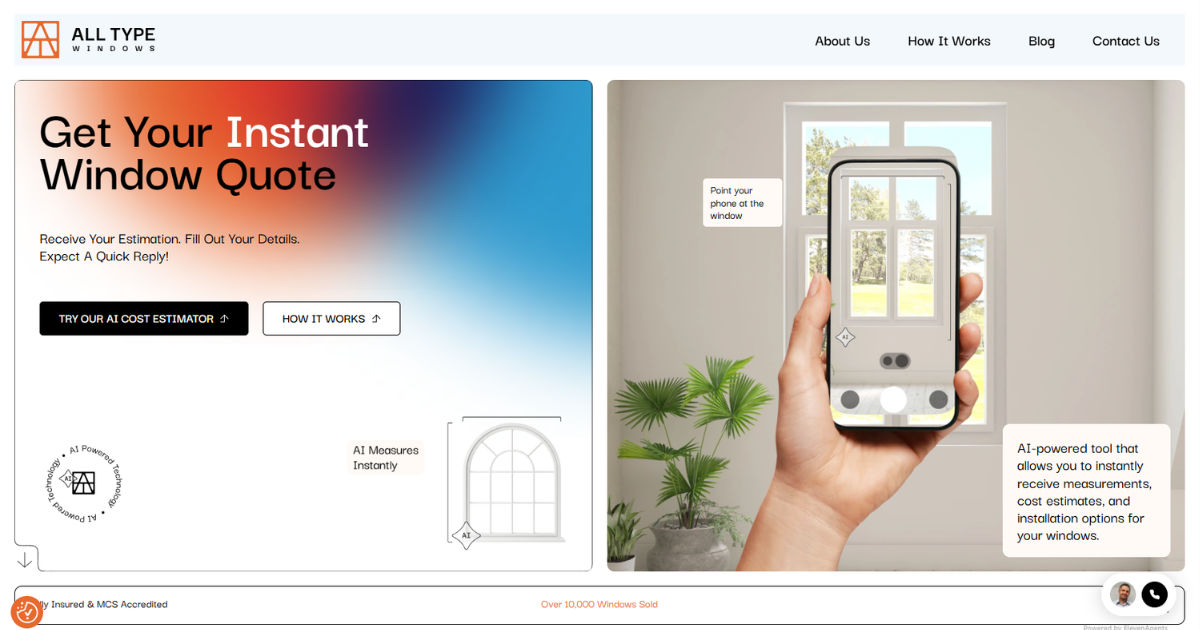
A Window price estimater does not give a fixed price, but it gives a close idea based on different factors like size, material, glass type, and installation needs. Understanding how a Window price estimater works can help you plan your budget more effectively.
In this guide, we will break down all the major elements that affect pricing in a simple and detailed way. This is written for a 12th-grade level so it is easy to understand even if you are new to construction or home improvement.
The Basics of Window Pricing
A Window price estimater works by collecting basic details such as window dimensions, frame type, and glass quality. It then calculates an estimated cost range. A Window price estimater is widely used in construction planning because it saves time and reduces guesswork.
Window prices are not random. They depend on manufacturing costs, labor, design complexity, and even location. A Window price estimater brings all these elements together into one simple calculation.
Window Size and Its Direct Impact on Cost
One of the most important factors in any Window price estimater is size. Larger windows require more materials and more labor.
A bigger window means:
- More glass material
- Stronger frame support
- More installation effort
A Window price estimater automatically increases the cost when dimensions increase. Even a small change in height or width can significantly affect pricing.
Standard-sized windows are usually cheaper because they are mass-produced. Custom-sized windows, on the other hand, require special manufacturing. That is why a Window price estimater often shows higher values for custom sizes.
Material Type and Its Effect on Pricing
Materials play a huge role in how a Window price estimater calculates costs. Different materials have different durability, appearance, and insulation properties.
Common window frame materials:
- Vinyl
- Wood
- Aluminum
- Fiberglass
Vinyl is usually the cheapest option, so a Window price estimater will show lower costs for it. Wood is more expensive because it requires maintenance and offers a premium look. Aluminum is strong but may cost more due to manufacturing and insulation upgrades.
Fiberglass is one of the most expensive materials, but it lasts longer and provides excellent insulation. A Window price estimater reflects all these differences clearly.
Glass Type and Energy Efficiency
Glass is another major factor in a Window price estimater. Not all glass is the same.
Types of glass include:
- Single-pane glass
- Double-pane glass
- Triple-pane glass
- Tempered glass
- Low-E glass
Single-pane glass is the cheapest, so a Window price estimater will show lower pricing. However, it offers poor insulation.
Double-pane and triple-pane glass improve energy efficiency. They reduce heat loss and lower electricity bills. Because of this, a Window price estimater increases the cost for better insulation glass.
Low-E glass has a special coating that reflects heat, making it energy efficient. It is more expensive but reduces long-term energy costs.
Labor and Installation Costs
Labor is often underestimated in a Window price estimater, but it is a major part of total cost.
Installation costs depend on:
- Difficulty of installation
- Height of installation
- Removal of old windows
- Structural adjustments
If a window is on a higher floor or in a hard-to-reach area, the cost increases. A Window price estimater includes extra labor charges for such conditions.
Removing old windows also adds to labor costs. If structural changes are needed, the cost increases further.
Window Style and Design Complexity
Different window styles also affect a Window price estimater.
Common window styles:
- Sliding windows
- Casement windows
- Awning windows
- Bay windows
- Fixed windows
Simple sliding windows are usually cheaper. A Window price estimater shows lower pricing for them because they are easy to install.
Bay windows and custom architectural designs are more expensive. They require precise measurements and complex installation. That is why a Window price estimater shows higher values for decorative or complex designs.
Customization and Special Features
Customization increases cost significantly in a Window price estimater.
Some common custom features include:
- Tinted glass
- Soundproofing
- UV protection coating
- Smart glass technology
- Decorative frames
Each added feature increases manufacturing complexity. A Window price estimater calculates these additions separately, making the final estimate higher.
Smart windows that adjust transparency or temperature control are among the most expensive options.
Location and Regional Price Differences
Where you live also affects a Window price estimater result.
Prices vary due to:
- Labor rates in different regions
- Transportation costs
- Availability of materials
- Local construction regulations
In urban areas, labor costs are usually higher. A Window price estimater reflects this increase. In rural areas, prices may be slightly lower.
Importing materials from other regions also increases costs due to transportation fees.
Energy Efficiency Standards
Energy efficiency has become a major factor in modern construction. A Window price estimater considers energy ratings when calculating costs.
Energy-efficient windows:
- Reduce heating and cooling bills
- Improve indoor comfort
- Reduce environmental impact
However, they cost more upfront. A Window price estimater will always show higher prices for windows with higher energy ratings.
Many governments also offer incentives for energy-efficient windows, which may reduce final costs.
Brand and Manufacturer Influence
The brand of the window also affects a Window price estimater.
Well-known brands usually charge more because they offer:
- Better warranties
- Higher quality control
- Advanced technology
A Window price estimater includes brand value in pricing. Less-known manufacturers may offer cheaper options, but they might not provide the same durability or warranty.
Structural Requirements and Building Type
The structure of the building also impacts a Window price estimater.
For example:
- New construction is usually cheaper for installation
- Renovation projects cost more due to adjustments
- Old buildings may need reinforcement
A Window price estimater increases cost if the building requires modifications or reinforcements.
Wall material also matters. Installing windows in concrete walls is more expensive than wooden structures.
Transportation and Logistics Costs
Transportation is often ignored but included in a Window price estimater.
Heavy glass and large frames require careful shipping. Costs increase based on:
- Distance from supplier
- Weight and size of windows
- Fragility and packaging requirements
If windows are imported, the cost increases further due to taxes and shipping fees.
Seasonal Demand and Market Conditions
Market conditions also influence a Window price estimater.
During peak construction seasons:
- Demand increases
- Prices go up
- Installation schedules become limited
During off-seasons:
- Prices may be lower
- Discounts are more common
A Window price estimater may adjust based on seasonal trends and material availability.
Maintenance and Long-Term Cost Considerations
A Window price estimater does not only focus on installation cost but may also consider long-term expenses.
Some materials require:
- Regular painting (wood)
- Seal replacements
- Cleaning treatments
Low-maintenance materials may cost more initially but save money in the long run. A Window price estimater helps compare both short-term and long-term value.
How to Use a Window Price Estimator Effectively
To get the most accurate results from a Window price estimater, you should:
- Measure window dimensions correctly
- Choose material carefully
- Decide glass type in advance
- Include installation conditions
- Compare multiple estimates
A Window price estimater becomes more accurate when you input detailed and correct information.
It is also helpful to compare different estimators to understand price ranges.
Common Mistakes When Using Estimators
Many people misuse a Window price estimater by ignoring important details.
Common mistakes include:
- Not considering installation difficulty
- Ignoring energy efficiency upgrades
- Choosing incorrect measurements
- Forgetting labor costs
A Window price estimater is only as accurate as the data provided.
Future Trends in Window Pricing
Technology is improving how a Window price estimater works.
Future trends include:
- AI-based cost prediction
- Real-time material pricing updates
- Smart home integration costs
- Automated design suggestions
These improvements will make a Window price estimater more accurate and user-friendly.
Conclusion
A Window price estimater is an essential tool for anyone planning window installation or renovation. It helps simplify complex pricing structures by combining factors like size, material, glass type, labor, and location into one estimate.
Understanding how a Window price estimater works allows homeowners to make smarter financial decisions. It also helps in comparing different options before making a final choice.
From material selection to energy efficiency and customization, every detail affects the final cost. A Window price estimater brings all these elements together so you can plan better and avoid unexpected expenses.
In the end, using a Window price estimater is not just about getting a price—it is about understanding what you are paying for and why.