Easy coloring for preschoolers is more than just a fun classroom activity; it is a foundational learning tool that shapes early childhood development in multiple ways.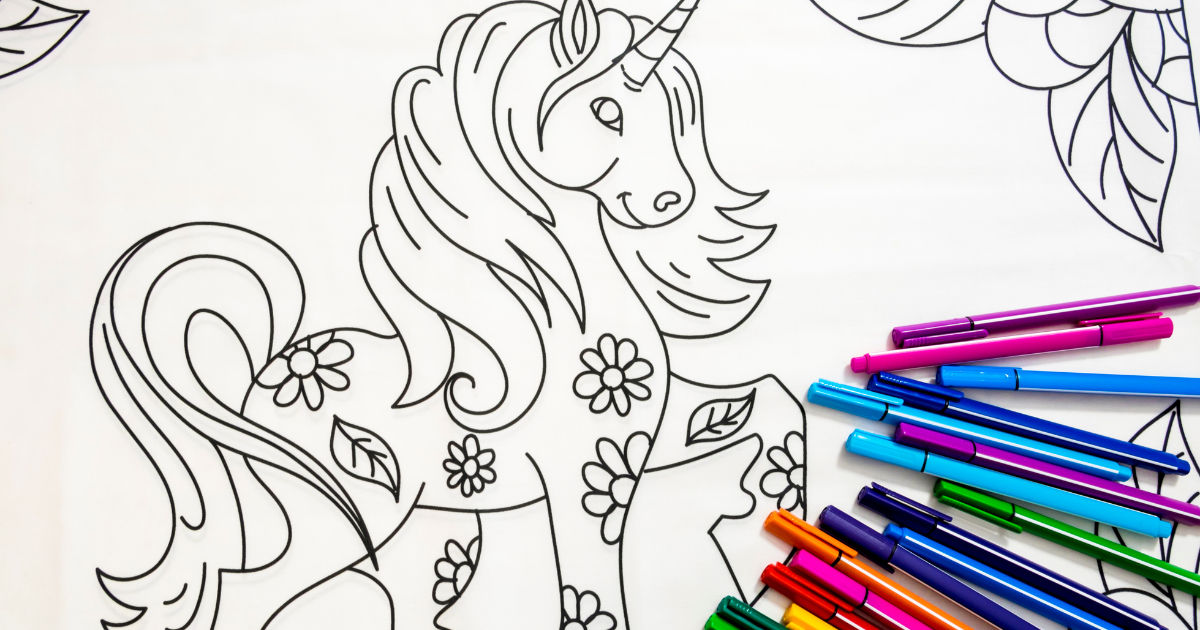
When children engage in Easy coloring for preschoolers, especially activities focused on shapes, they are not simply filling spaces with color—they are building essential cognitive, motor, emotional, and academic skills. Teachers and parents often underestimate how powerful Easy coloring for preschoolers can be in shaping early learning habits.
At its core, Easy coloring for preschoolers introduces young learners to basic shapes such as circles, squares, triangles, and rectangles in a playful, stress-free way. Through repetition and guided practice, Easy coloring for preschoolers helps children recognize patterns, improve focus, and strengthen hand control. This article explores in depth what shape-based Easy coloring for preschoolers teaches and why it is an essential part of early education.
Shape-Based Learning Through Coloring
Shape recognition is one of the first mathematical and visual-spatial skills children develop. Easy coloring for preschoolers that focuses on shapes helps children identify differences between forms while also understanding their properties. For example, a circle has no corners, while a square has four equal sides.
When children repeatedly engage in Easy coloring for preschoolers, they begin to associate shapes with real-world objects. A circle becomes a sun, a wheel, or a ball. A triangle may resemble a roof or a slice of pizza. This connection between abstract shapes and real objects is a key developmental milestone supported by Easy coloring for preschoolers.
In addition, Easy coloring for preschoolers encourages visual discrimination. Children learn to differentiate between similar shapes, improving their attention to detail. This skill becomes important later in reading, writing, and mathematics.
Cognitive Development Benefits of Easy Coloring for Preschoolers
One of the most significant advantages of Easy coloring for preschoolers is its impact on cognitive development. Cognitive skills refer to thinking, understanding, remembering, and problem-solving abilities.
When children engage in Easy coloring for preschoolers, they are required to make decisions such as choosing colors, identifying boundaries, and staying within lines. These small decisions strengthen brain development and critical thinking.
Easy coloring for preschoolers also improves memory. Children remember shape names, color patterns, and instructions given by teachers or parents. Over time, repeated exposure through Easy coloring for preschoolers strengthens long-term memory retention.
Additionally, Easy coloring for preschoolers builds early problem-solving skills. A child may need to decide how to color overlapping shapes or which color combination looks best. These decisions encourage independent thinking, an important skill for future academic success.
Fine Motor Skill Development Through Easy Coloring for Preschoolers
Fine motor skills involve the small muscles in the hands and fingers. Easy coloring for preschoolers is one of the best activities to develop these skills at an early age.
When children hold crayons, markers, or pencils during Easy coloring for preschoolers, they strengthen hand muscles and improve grip control. This prepares them for writing letters and numbers later in school.
Staying within shape boundaries during Easy coloring for preschoolers requires precision and coordination. Children learn to control their hand movements carefully, improving hand-eye coordination.
Over time, consistent practice of Easy coloring for preschoolers enhances dexterity, making everyday tasks like buttoning clothes, tying shoelaces, and using scissors easier for children.
Creativity and Imagination Development
Creativity is a vital skill in early childhood, and Easy coloring for preschoolers plays an important role in nurturing it. Even though shapes provide structure, children still have freedom to choose colors and experiment with combinations.
Through Easy coloring for preschoolers, children learn that creativity does not always mean drawing from scratch. Instead, they discover that creativity can exist within boundaries. This balance between structure and freedom is essential for developing disciplined creativity.
For example, in Easy coloring for preschoolers, a child might color a triangle-shaped roof blue instead of the traditional red. This encourages imagination and personal expression.
Repeated exposure to Easy coloring for preschoolers helps children develop confidence in their creative choices, which can later influence storytelling, art, and problem-solving abilities.
Early Math Skills and Logical Thinking
Shapes are a fundamental part of early mathematics, and Easy coloring for preschoolers introduces mathematical thinking in a simple and engaging way.
When children participate in Easy coloring for preschoolers, they begin to recognize geometric properties such as sides, angles, and symmetry. These early observations lay the groundwork for more advanced math concepts.
Easy coloring for preschoolers also supports pattern recognition. Children may color alternating shapes in different colors, helping them understand sequences and logical patterns.
Furthermore, Easy coloring for preschoolers introduces spatial awareness. Children learn how shapes fit together, overlap, or differ in size. These skills are essential for geometry and problem-solving in later grades.
Emotional and Behavioral Development
Beyond academics, Easy coloring for preschoolers has a strong impact on emotional development. Coloring activities are calming and help children regulate emotions.
When engaging in Easy coloring for preschoolers, children often experience reduced stress and increased focus. This creates a sense of calm and emotional stability in classroom environments.
Easy coloring for preschoolers also builds patience. Completing a shape coloring sheet requires time and attention, teaching children to stay focused on tasks until completion.
Additionally, Easy coloring for preschoolers fosters a sense of achievement. When children complete a coloring page, they feel proud of their work, boosting self-esteem and confidence.
Social Skills and Classroom Interaction
Group activities involving Easy coloring for preschoolers help children develop social skills. In classroom settings, children often share crayons, discuss colors, and compare artwork.
Through Easy coloring for preschoolers, children learn cooperation and sharing. They also learn to respect others' creative choices and differences.
Teachers often use Easy coloring for preschoolers as group activities to encourage communication. Children talk about shapes, colors, and ideas, improving language development and social interaction.
Over time, Easy coloring for preschoolers helps children build friendships and learn how to function in group environments.
Teaching Methods for Effective Easy Coloring for Preschoolers
To maximize learning outcomes, educators use structured methods in Easy coloring for preschoolers. One effective approach is step-by-step guidance, where teachers introduce one shape at a time.
In Easy coloring for preschoolers, teachers often start with simple shapes like circles before moving to more complex forms like stars or hexagons.
Another method involves storytelling. Teachers connect shapes to real-life objects during Easy coloring for preschoolers, making learning more engaging and meaningful.
Positive reinforcement is also important. Praising children during Easy coloring for preschoolers motivates them to continue learning and improves confidence.
Fun Activities to Enhance Learning
There are many creative ways to enhance Easy coloring for preschoolers activities in classrooms and at home.
One popular activity is shape scavenger hunts. After completing Easy coloring for preschoolers, children find real-world objects that match the shapes they colored.
Another activity involves mixing colors. During Easy coloring for preschoolers, children experiment with different color combinations to see how shapes change visually.
Teachers also use cut-and-paste exercises alongside Easy coloring for preschoolers to strengthen shape recognition and motor skills.
Interactive games such as matching shapes with objects further reinforce lessons learned through Easy coloring for preschoolers.
Importance of Repetition and Practice
Repetition is key in early learning, and Easy coloring for preschoolers provides the perfect opportunity for repeated practice.
When children regularly engage in Easy coloring for preschoolers, they strengthen neural connections in the brain, improving memory and recognition skills.
Consistent exposure to Easy coloring for preschoolers ensures that children become confident in identifying and drawing shapes.
Repetition also reduces learning anxiety. As children become familiar with Easy coloring for preschoolers, they feel more comfortable and willing to participate.
Role of Parents in Easy Coloring for Preschoolers
Parents play a crucial role in supporting Easy coloring for preschoolers at home. By participating in coloring activities, parents strengthen bonding with their children.
When parents engage in Easy coloring for preschoolers, they can guide children, encourage creativity, and provide positive feedback.
Home-based Easy coloring for preschoolers activities also reinforce what children learn in school, ensuring consistent development.
Parents can also use everyday objects to support Easy coloring for preschoolers, such as pointing out shapes in household items.
Challenges and Solutions in Teaching Shapes Through Coloring
While Easy coloring for preschoolers is highly effective, some challenges may arise. One common issue is lack of attention span in young children.
To address this, Easy coloring for preschoolers activities should be kept short and engaging.
Another challenge is difficulty in staying within lines. Teachers can overcome this by gradually increasing complexity in Easy coloring for preschoolers tasks.
Providing encouragement and avoiding criticism ensures that children remain motivated during Easy coloring for preschoolers sessions.
Long-Term Educational Impact
The skills developed through Easy coloring for preschoolers extend far beyond preschool years. Early shape recognition supports future learning in mathematics, science, and art.
Children who regularly participate in Easy coloring for preschoolers often show stronger academic performance in early grades.
The discipline, creativity, and focus developed through Easy coloring for preschoolers contribute to lifelong learning habits.
Ultimately, Easy coloring for preschoolers lays a strong foundation for both academic success and personal development.
Conclusion
In conclusion, Easy coloring for preschoolers is far more than a simple classroom activity. It is a powerful educational tool that teaches shape recognition, cognitive skills, creativity, emotional regulation, and social development. Through consistent practice of Easy coloring for preschoolers, children build essential skills that support lifelong learning.
The structured yet creative nature of Easy coloring for preschoolers allows children to explore, imagine, and grow while learning fundamental concepts. From improving fine motor skills to strengthening early math understanding, Easy coloring for preschoolers plays a vital role in early childhood education.
Parents and teachers alike should recognize the importance of Easy coloring for preschoolers and incorporate it regularly into learning routines. Its benefits extend far beyond coloring pages, shaping confident, creative, and capable learners.

 In many modern systems, especially online or computer-based exams, the concept of a slot 5000 is used to manage large numbers of students in an organized way. The term slot 5000 may also refer to a batch or capacity-based scheduling system where thousands of candidates are divided into controlled time blocks.