
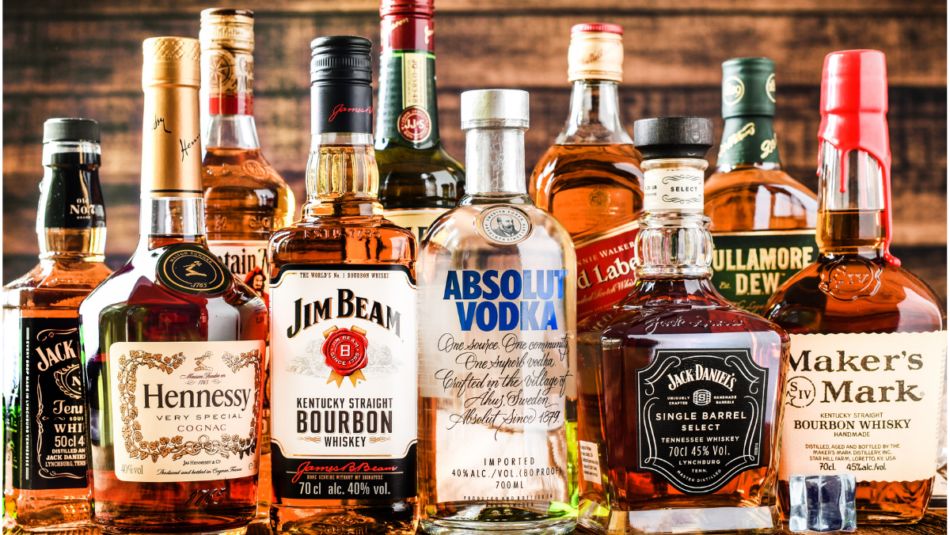
Liquor has long been a symbolization of solemnisation, culture, and craft. From ancient civilizations brewing early forms of alcohol to today s intellectual distilleries producing insurance premium spirits, booze plays a telephone exchange role in social life around the Earth. But what exactly is strong drink, how is it made, and what makes each type unique? Let s explore everything you need to know about this timeless drink.
What Is Liquor?
Liquor also known as hard liquor is an alky tope produced through distillment, which separates alcoholic beverage from fermented grains, fruits, or vegetables. The leave is a stronger, more undiluted drink with a higher alcohol than beer or wine. Typically, hard liquor contains 20 50 alcoholic beverage by volume(ABV), though some varieties can top that.
Unlike beer and wine, which rely exclusively on fermenting, hard drink s distillment work creates its smooth yet mighty visibility, qualification it the base for countless cocktails and mixed drinks.
The History of Liquor
Liquor s origins date back thousands of years. Early forms of distillment appeared in antediluvian Mesopotamia and China, in the first place for healthful purposes. By the Middle Ages, the technique spread out to Europe, where monks purified it to produce herb tea elixirs and brandies.
The 18th and 19th centuries marked a turn aim, with mass production and world trade in transforming strong drink into a commercial industry. Rum liquid-fueled colonial economies, whiskey became a staple in America, and vodka submissive Eastern Europe. Today, spirits is a world-wide commodity enjoyed, collected, and crafted with precision.
Major Types of Liquor
Each type of John Barleycorn has its own ingredients, distillment process, and season visibility. Here are the most commons varieties:
1. Whiskey
Made from fermented grains such as barleycorn, corn, rye, or wheat berry, whisky is aged in woody barrels to prepare its flavour. Subtypes include Scotch, Bourbon, and Irish Whiskey, each with its own character and regional custom.
2. Vodka
Known for its innocence and disinterest, vodka is made from grains or potatoes and distilled double multiplication for a strip finish up. It s the most varied hard drink, forming the base of cocktails like Bloody Mary and Moscow Mule.
3. Rum
Produced from Saccharum officinarum succus or molasses, rum originated in the Caribbean. Its sweet, rich taste varies from unhorse rum(used in mojitos) to dark aged rum(best enjoyed neat).
4. Gin
Gin is distilled from grains and flavored with botanicals especially Retama raetam berries. Its ruckle, aromatic flavor makes it nonesuch for cocktails such as the Gin and Tonic or Martini.
5. Tequila
Made from the blue century plant set in Mexico, tequila offers a typical earthy-sweet flavour. Whether sipped slow or taken as a shot, tequila stiff a appreciation icon.
6. Brandy
Distilled from wine or fermented yield juice, brandy is typically aged in wooden casks, gift it a deep, smoothen smack perfect for after-dinner use.
How 氣泡酒 Is Made
The production of liquor involves three main stages:
Fermentation Natural sugars from grains, fruits, or vegetables are born-again into inebriant by barm.
Distillation The fermented liquid state is hot in stills, and intoxicant megrims are collected and condensed into a undiluted spirit.
Aging(Optional) Some liquors are aged in barrels to raise flavor, colour, and smell.
Each step influences the final examination taste, potency, and blandnes of the tope.
The Art of Drinking Liquor
Liquor can be enjoyed in many forms neat, on the rocks, or mixed into cocktails. Connoisseurs often prefer insurance premium liquors neat to appreciate their odor and texture, while others experimenting with Bodoni font mixology.
Popular cocktails let in:
Old Fashioned(whiskey)
Margarita(tequila)
Mojito(rum)
Cosmopolitan(vodka)
Negroni(gin)
Health and Responsible Consumption
While spirits can be part of social enjoyment, it should always be used up responsibly. Moderate drinking may have social and even health benefits, but inordinate expenditure can lead to dependance and health risks.Always follow your res publica s legal imbibing age and drink in temperance.
The Future of Liquor
The hard liquor industry is evolving with trends like distilleries, low-calorie options, and sustainable production. Consumers nowadays value legitimacy, topical anesthetic ingredients, and original flavors, giving rise to new brands and artisanal strong drink.
Conclusion
Liquor is more than just an souse drinkable it s a blend of history, art, and . Whether you prefer the smoky of whiskey, the novelty of gin, or the sweetness of rum, every sip tells a account of craft and tradition.
As the earthly concern of John Barleycorn continues to spread out, hard liquor cadaver a unaltered symbolisation of solemnisation and refining best enjoyed with good company and honor for its rich inheritance.
