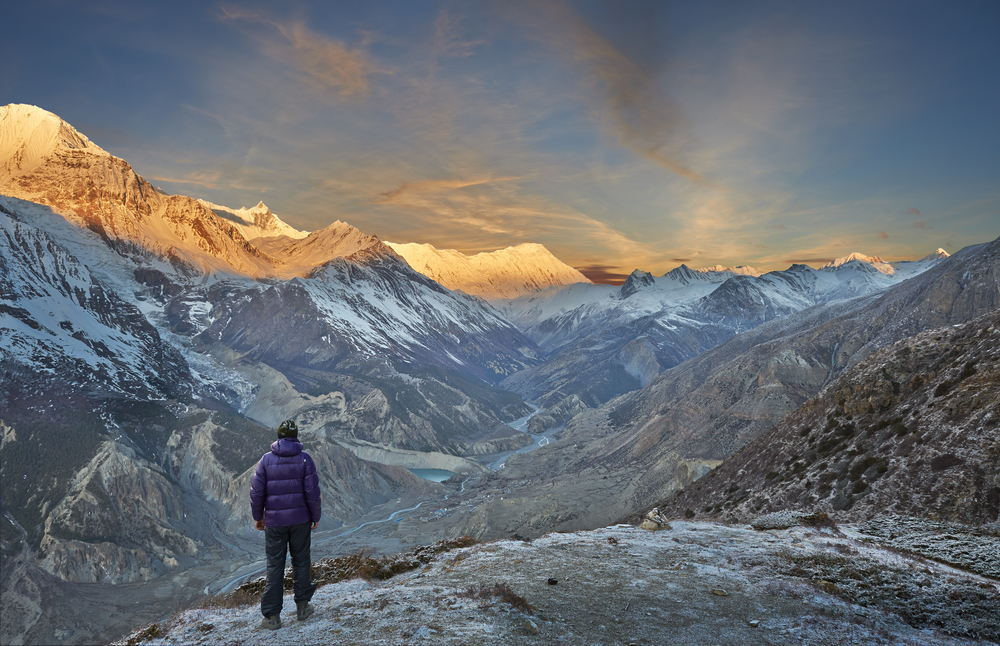
For you, the Everest Base Camp trek is one of the dream treks that leads you to the foot of the world’s highest mountain (8,848 m) and through the closest site of beautiful scenery of the Himalayas, and to make you feel on top of the world. But with the rise in visitors, there have been major environmental problems, particularly with waste. The delicate mountain environment is sensitive to pollution, and littering will have a harmful lasting effect on the beauty and health of the area. Responsible waste disposal is essential for preserving this iconic trail for future generations and protecting the pristine environment that the trekkers seek when they come here.
The trail to Everest Base Camp winds through many small villages and tea houses, which use local water and the environment for daily living. Careless waste can contaminate our water supply, endanger local wildlife, and lower soil quality. The use of programs initiated by many trekking companies and local government organizations in Nepal has served to reduce waste, yet trekkers are also essential in these efforts.
One of the easiest and most effective ways to deal with waste is to pack out what you pack in. That means packing out all of your non-biodegradable trash — plastic wrappers, food packaging, and used batteries — and trekking it back down the trail for proper disposal in Kathmandu, or other larger towns. Plastic waste is one of the worst environmental hazards in the Everest region because it takes decades to decompose and is often burned or discarded, releasing toxic fumes or contaminating the soil and water.
Opting for reusable instead of disposable is another vital step. A refillable water bottle and a portable water filter can lessen plastic bottle waste. Also, along the train, many lodges provide boiled water to refill your bottles – convenient for sure and kinder to the environment! Whenever possible, avoid single-use items like plastic bags and utensils, substituting for things that biodegrade, compost, or are reusable.
Also, human waste disposal is a must on the trail. Dozens of teahouses now have designated toilets linked to waste management systems, but in more remote sections, it’s necessary to carry biodegradable bags or a portable toilet to avoid polluting the environment. This even includes any updates (if requested by the locals — I’ll get to that in a minute) to local guidelines by which to agree when and how to dispose of waste, never leaving trash in the environment.
Some trekking companies and volunteer groups conduct cleanup campaigns along the Everest Base Camp trail to remove garbage left behind by earlier trekkers. You can up your positive effect by involving yourself in or supporting these initiatives. And remember that open fires used in campfires lead to deforestation and even air pollution.
Education is key. Read about responsible trekking practices before you go and during your trek, and inform yourself about the waste management procedures in place in the Everest region. Local guides are key contributors to the philosophy of a smaller environmental footprint.
By following responsible waste management on your Everest Base Camp trek, you help to protect one of the most stunning natural landscapes in the world! Responsible trekking is not only preserving the landscape but also respecting the local communities who rely on the mountains for their income. The more responsible trekkers there are, the Himalayas can be preserved with their majestic appearance for generations to come.
Why is Waste management a Matter of Significance for the Everest Base Camp Trail?
Garbage disposal in the Everest Base Camp (EBC) trail area is crucial because the area has a fragile ecosystem, which is extremely sensitive to pollution. The Himalayas are a wonder of nature as well as a habitat for special species of wildlife, and a home for local communities, too, who rely on clean water and soil. With increasing trekker volume, waste management has become a major environmental issue. Inadequate disposal of plastics, food wrappers, and human waste can pollute water sources and destroy the scenery. This not only defaces the virgin beauty of the treks, but also poses a health risk to both the locals as well as trekkers. This is essential not only for the well-being of the environment, but also to keep the region’s aesthetic attractive for prospective travellers. The trekker trash peas contribute to minimizing the impact on the sustainability and freshness of tourism in this fragile mountainous region.
What Kind of Garbage Do You Find on The Trail to Everest Base Camp?
Along the Everest Base Camp trail, you can also find plastic bottles, food packaging, disposable utensils, and batteries. The problem with single-use plastics is that they take decades to degrade. Human waste and toilet paper are also major issues, particularly in less-developed parts of the trail. Produce Can Be Problematic! Organic waste, such as food remains, can lure wild animals and disturb natural behavior. In addition, some trekkers throw away equipment such as damaged trekking poles or oxygen bottles. E-waste, non-disposable material, and other non-biodegradable materials amass due to a lack of facilities for their disposal. Handling this mixed waste requires awareness and preparation from trekkers to minimize its impact, like storing and carrying reusable items, avoiding non-biodegradable trash, and using dry toilets in all possible places.
How can Trekkers Help to Reduce Plastics on the EBC Trail?
The ban on plastic was necessary to ensure the protection of the Everest region environment. Trekkers can begin by bringing a reusable water bottle and only drinking boiled water that many teahouses have on offer throughout the trek. Don’t purchase bottled water and arrange it if you can. Carry reusable utensils and steer clear of the plastic straw or bag. Using reusable containers for snacks instead of single-use plastic wrappers helps, too. Some lodges may have reusable or biodegradable options on offer, while other providers would use single-use plastics, so ask before you accept. Including a small bag with which to pick up and carry out your plastic waste. By thinking twice about plastic waste, trekkers can contribute to less pollution and the continued cleanliness of the trail.
What is the proper method of human waste disposal on the EBC Trail?
Everest Base Camp Tour. The hygienic disposal of human waste is very important for the protection and preservation of the Everest Base Camp trek. Some lodges have toilets linked to composting systems , but in more remote places, they are scarce. It is advised to use a biodegradable toilet bag or a portable toilet for the safe disposal of waste. Don’t engage in open defecation that pollutes water sources as well as the soil. Use marked toilets, and adhere to local guidance. Bring sealed hand sanitizer and toilet paper to avoid littering. Controlled human waste disposal is also less harmful to the environment and less risky concerning the spread of waterborne disease for trekkers and local communities.
What Role Does Waste Play on the Trek and How Do Local Communities Help Manage It?
Local Everest Base Camp Hike trail communities are a key factor in waste management. A lot of villages do daily or monthly clean-up and social awareness programs among local inhabitants and trekkers for eco-tourism. Many local Lodges are involved in recycling and the disposal of trash. (The latter skill is also trained to sherpas and porters, who generally carry waste down from higher camps.) Community-led initiatives also collaborate with NGOs and local government to transform waste infrastructure, such as creating rubbish collection points and treatment plants. Encouraging local businesses that cut the eco-friendly jib is sustainable tourism. When you honour and adhere to local guidelines during your trek, you’re doing your bit to conserve the environment and sustain people.
What is the Impact of Bad Waste Management on the EBC Trek?
Indiscriminate disposal of garbage along the Everest Base Camp trail causes serious environmental and health problems. The Himalayan environment is a fragile ecosystem, and when trekkers and locals irresponsibly throw out their trash, plastic, and andnon-biodegradablee waste accumulates here. This pollutes the unspoiled beauty of the lands and is a risk to the wildlife by polluting their home. The water sources can be contaminated with litter and human waste that pose potential health risks for local communities and trekkers. The area’s fragile dirt is also damaged by inappropriate dumping of waste, leading to potential erosion and vegetation destruction. Also, nobody likes to trek past a pile of waste that detracts so significantly from the track and makes for an environmental hazard and a poor experience for the next generations, and also spoils the image of Nepal’s tourism industry. Solutions involve joint partnership amongst trekkers, local communities, and local authorities in upholding waste management systems as well as promoting attitudes for ecological management practices that support the environment and public health.
What role could Trekking Agencies play in fostering responsible waste management?
Everest Base Camp Trek Itinerary Trekking agencies are largely responsible for keeping the Everest Base Camp trail clean. Responsible agencies also educate during and pre-trek on minimizing their environmental impact, starting with waste disposal and taking out all the trash from the region. They typically offer reusable gear, like water bottles and utensils, which helps cut down on the consumption of single-use plastic. A few agencies sponsor or organize trail clean-up efforts, which clients can join if they are interested. Furthermore, experienced guides see to it that trekkers follow local rules for waste management and assist in overseeing campsite cleanliness. While supporting sustainable tourism and maintaining the environment, linking through an eco-friendly trekking company is just one way to help. A quality waste infrastructure can also be achieved if agencies team up with the local communities and NGOs and put in place permanent solutions to waste.
Which waste disposal stations are along the Everest Base Camp trail?
Facilities for waste management are highly variable on the Everest Base Camp trail. Lukla, Namche Bazaar, and Kathmandu are some of the bigger villages to have designated garbage collection and recycling programs. But in more remote and higher-altitude camps, there isn’t adequate formal waste management infrastructure. There are small cans for organics and non-bio waste at many teahouses, but they are not emptied regularly, resulting in local pooling. Some huts coordinate with conservation groups to fly out garbage to places where it can be disposed of properly at lower elevations. Hiking groups are also recommended to have their waste bags to bring back non-biodegradable elements on the trail. Some eco-friendly toilet systems in a few lodges and campsites have facilities for disposing of human waste properly, and they are beginning to be used more widely. An understanding of existing toilet facilities can assist trekkers in planning their waste management and prevent trekkers from leaving litter.
How Can You Be Part of the Effort to Clean Up the Everest Base Camp Trek?
Everest Base Camp Trek package Cleaning up while trekking is a good way to give back, be rewarded, and help protect the environment. Some local organisations and trekking agencies occasionally arrange clean-up campaigns, especially during high trekking seasons, in which they collect garbage thrown away by previous trekkers. As a solo hiker, you can also help by bringing along some extra garbage bags so you can pick up some trash while on the trails. Even small changes, such as properly disposing of your own waste and rallying fellow trekkers to do the same, add up. Donating to or volunteering with NGOs that work to protect the environment is another way to support the cause. Actively participating in cleanup operations not only helps mitigate contamination, but t promotes a sensitivity to proper trekking etiquette in the local area. This sort of engagement enhances the trekking you experience by introducing you to a more involved relationship with the region and with improving it.
What Kind of Eco-Friendly Themed Alternatives to a Few Trekking Equipment?
EBC Trekking By opting for environmentally-friendly alternatives to packing or using your common trekking gear, you can minimize your carbon footprint on the Everest Base Camp trail. Say no to single-use plastic water bottles in favor of stainless steel or non-BPA water bottles that can be used time and time again. Bring reusable food containers and skip the plastic-wrapped snacks by carrying nuts, dried fruits, or a homemade meal in reusable bags. Opt for bamboo or metal utensils over single-use plastic cutlery. For personal hygiene, bring biodegradable soaps and toothpaste, and take along reusable wet wipes instead of disposable versions. When shopping, give preference to clothing with sustainable or recycled fibres. But for the disposable batteries that it requires, it’s simple, it gets the job done, and there’s no electronic waste. Solar-powered chargers are excellent substitutes for disposable batteries. By consciously choosing eco-friendly gear, trekkers are contributing to waste reduction, less pollution n and sustainability in the Himalayas.
How to Prevent COVID-19 and Keep Yourself Safe While Visiting the Everest Base Camp?
The trek to Everest Base Camp requires careful preparation and caution as the altitude and terrain are challenging. First of all, make sure you’re in shape and practice with some workouts and hikes. Acclimatization is important — schedule rest days around villages such as Namche Bazaar to help avoid Acute Mountain Sickness (AMS). Always keep yourself hydrated and nourished for energy. Bring minimum gear with you, like warm clothes in layers, a waterproof jacket, hiking boots, a first aid box, and other useful gear. It’s important to hike with an experienced guide or group that knows the trail and emergency protocols. Be vigilant about monitoring your health — if you start to experience headaches, nausea, or dizziness, go down right away. Keep an eye on the forecast; you’re not going to want to trek when the monsoon brings landslides and torrential rain. Also, carry a communication gadget with you, such as a local SIM card or satellite phone. Lastly, adhere to cultural customs and environmental protocols, including waste disposal, to preserve sustainable trekking practices. With the right preparation and a little caution, you can hit the trail with more comfort when trekking to Everest Base Camp.
Why Is Everest So Full of Trash?
Everest is now faced with the latest environmental crisis: waste management. This influx is causing mountains of garbage — plastic bottles, food wrappers, even human waste and used oxygen bottles — to pile up. Because of the rugged environment and isolated placement, it is very difficult to dispose of waste correctly, leading to trash being dumped all around the trails and at the campsites. More problematic is plastic waste because it takes decades to degrade, and it can contaminate soil and water sources and impact local ecosystems. Human excrement is another major concern, particularly in areas where toilets are in short supply, contributing to water supplies being contaminated and higher health risks. The trash-clogged wasteland mars the region’s natural loveliness and endangers the ability of local populations to earn a living off similarly beautiful landscapes. In the absence of proper waste management, Everest is becoming increasingly polluted, threatening the environment and human health alike.
What Can We Do to Stop Pollution on Mount Everest?
It will take a coordinated effort from climbers, trekking companies, local officials, and international groups to end the pollution on Mount Everest. Climbers and trekkers, too, should sign up to be responsible and pack out all non-biodegradable waste, whether it is plastics or gear. Bringing along water bottles, biodegradable toiletries, and green goods can help keep garbage out of the way. Local authorities rigorously enforce waste management laws and demand permits detailing provisions for waste disposal. Garbage-gathering expeditions. Several times a week, NGOs and local groups organize “cleanup” campaigns to remove the accumulated trash. Better waste disposal facilities, such as environmentally friendly toilets and waste collection sites in base camps, are useful in handling human waste in a hygienic manner. Trekkers and local people are educated through awareness-raising campaigns about the impact of pollution and sustainable practices. Lastly, promoting responsible tourism and environmentally sensitive trekking companies contributes to long-term conservation. We must all take responsibility and remain committed to preventing pollution and saving the delicate ecosystem of Mount Everest.
So, What Is Happening to Clean Up Mount Everest?
Mount Everest Base Camp Tour is being cleaned up, but it will take a while. The Nepalese government, as well as local groups and international nongovernmental organizations, has established harsh rules that now mandate climbers carry on their backs at least a certain amount of trash, including human waste. Sherpa guides, volunteers, and environmental groups organize annual cleanup expeditions in which they haul trash out from base camps and popular trekking routes. Some offer incentives, like refunds of the deposits climbers pay if they bring their waste back down. Projects to establish environmentally-friendly lavatories and waste treatments at higher camps are underway to address the sanitation and pollution issues. In addition, awareness programs teach climbers and trekkers the benefits of responsible waste disposal. Trekking agencies increasingly talk about waste in their itineraries and encourage zero-waste practices. Obstacles persist because of Everest’s unforgiving environment, but progressive strides have been made to eradicate pollution and retain the mountain in its natural state.